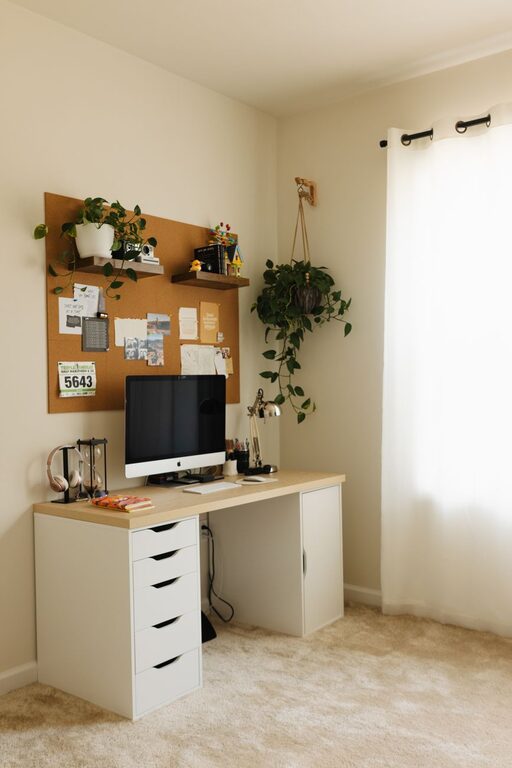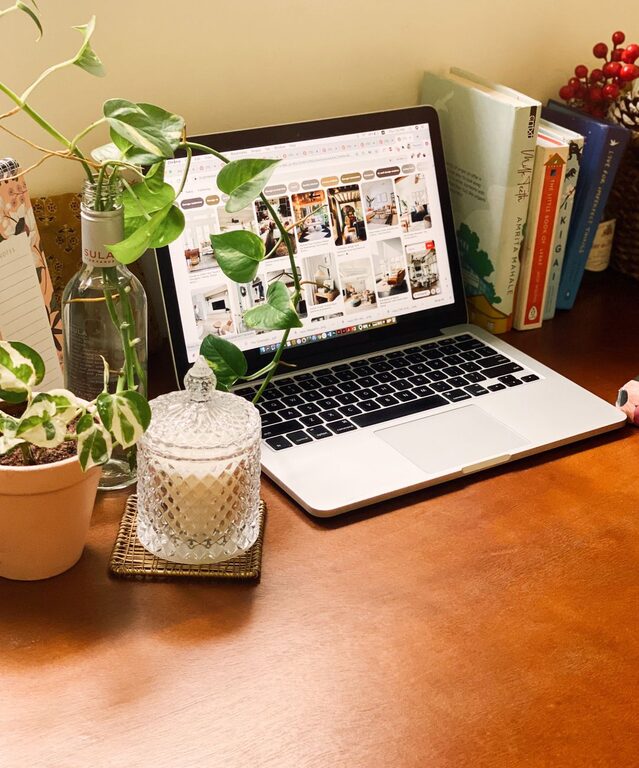
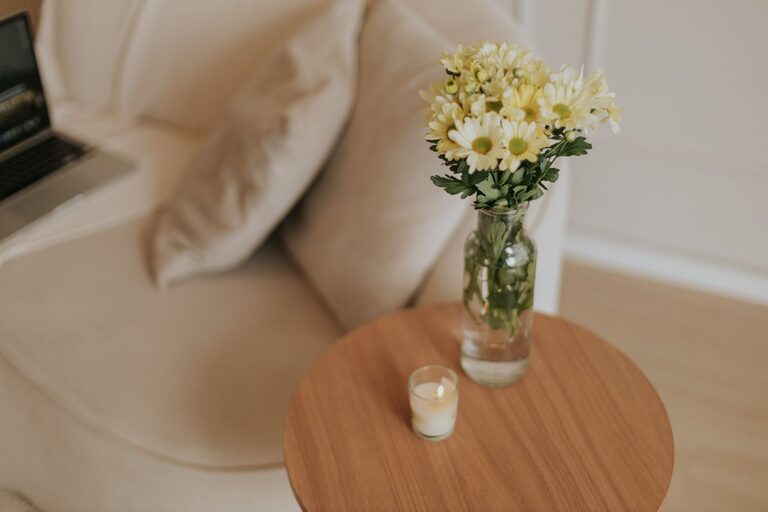
Creating a cozy and inviting home office space is more important than ever as many of us spend significant time working from home. A well-designed workspace not only enhances productivity but also promotes comfort and well-being. Whether you have a dedicated room or a small corner, turning it into a pleasant place to work can make a big difference in your daily routine. Here are some practical tips to help you design a home office that’s both functional and welcoming.
Choose the Right Location
Find a Quiet Spot
Start by selecting a location with minimal distractions. If possible, choose a quiet corner or a separate room to create a mental boundary between work and home life. A calm environment helps you focus and reduces stress.
Consider Natural Light
Natural light can boost your mood and energy levels. Set up your desk near a window to enjoy sunlight throughout the day. If natural light is limited, use soft white bulbs to mimic daylight and reduce eye strain.
Invest in Comfortable Furniture
Ergonomic Chair
A supportive, ergonomic chair is key to maintaining good posture during long work hours. Look for adjustable height, lumbar support, and comfortable cushioning.
Functional Desk
Choose a desk that fits your space while providing enough surface area for your computer, paperwork, and other essentials. Standing desks or adjustable desks offer flexibility and promote movement.
Personalize Your Space
Add Warm Textiles
Use cozy elements like a soft rug, cushions, or a throw blanket to add warmth to your office. These touches can make the space feel inviting and reduce rigidity.
Incorporate Plants
Plants not only boost air quality but also add a touch of nature, making your workspace more calming and vibrant. Low-maintenance plants like succulents or pothos are great options.
Display Meaningful Decor
Include artwork, photos, or inspirational quotes that motivate you or bring a smile to your face. Personal touches help you feel connected to your space.
Organize Efficiently
Use Storage Solutions
Clutter can overwhelm any workspace. Use shelves, filing cabinets, or desk organizers to keep documents and supplies tidy.
Cable Management
Keep cords neat with cable organizers or clips. A clean desk surface minimizes distractions and helps maintain focus.
Optimize Lighting
Layer Your Lighting
Combine overhead lighting with task lighting like desk lamps to create a comfortable balance. Adjustable lamps allow you to focus light where needed.
Avoid Glare
Position screens perpendicular to windows to reduce glare. Using anti-glare screen protectors can also enhance screen visibility.
Incorporate Calming Colors
Choose Soft, Neutral Tones
Colors like soft blues, greens, or warm neutrals create a soothing atmosphere conducive to concentration.
Add Accent Colors
Incorporate pops of color through decor or accessories to inject energy without overwhelming the space.
Maintain Fresh Air and Good Ventilation
Good air circulation improves alertness and comfort. If possible, open windows for fresh air or use an air purifier to maintain a clean environment.
Establish Boundaries and Routine
Define Work Hours
Having a designated office space helps set clear boundaries between work and personal life. Try to start and end work within regular hours to avoid burnout.
Take Breaks
Make your office inviting enough that you want to stay productive but don’t forget to take breaks. Step away periodically to stretch and refresh your mind.
—
Creating a cozy and inviting home office doesn’t require a major renovation. With thoughtful choices in location, furniture, lighting, and decoration, you can build a space that feels comfortable and inspiring. Whether working a few hours or full-time, a well-designed office supports your best work and well-being. Try these tips to build your perfect home workspace today!
About the Author