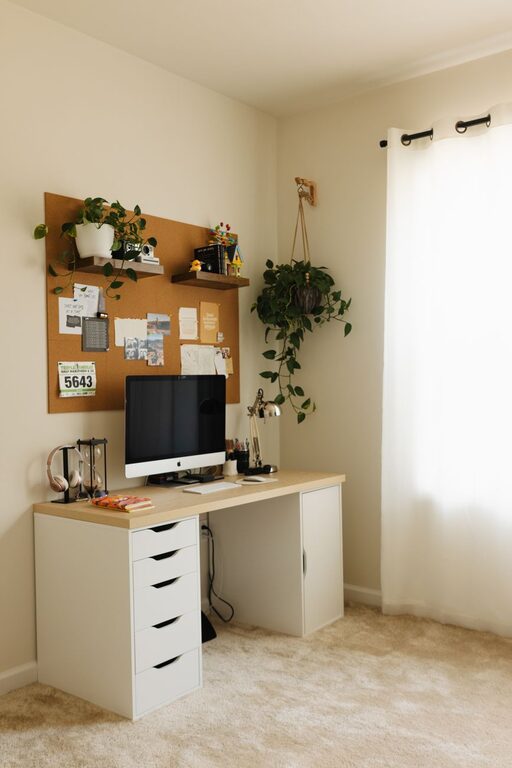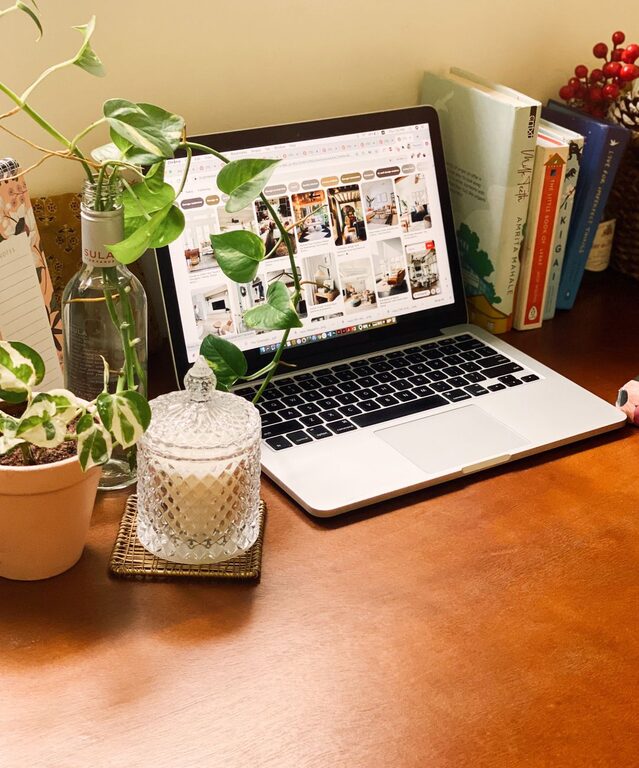

Creating a comfortable and efficient home office is essential for anyone working remotely or spending long hours at home on projects. A well-designed office space can help you feel motivated, minimize distractions, and improve your overall work experience. In this post, we’ll explore practical tips for transforming any room or corner into a cozy and productive home office.
Choose the Right Location
Finding the right spot for your home office sets the foundation for success.
– Quiet and Away From Distractions: Pick a location with minimal foot traffic and noise. If possible, avoid areas near the TV or kitchen.
– Natural Light: A space near a window can provide natural light, which boosts mood and focus. Position your desk so light comes from the side rather than directly in front or behind your screen.
– Space for Movement: Ensure the area has enough room for your desk, chair, and storage, plus some space to move around comfortably.
Invest in Comfortable Furniture
Your body will thank you for picking furniture designed with ergonomics in mind.
– Ergonomic Chair: A supportive chair with adjustable height and good lumbar support helps prevent back pain.
– Desk at the Right Height: Your desk should allow your arms to rest at a 90-degree angle while typing.
– Consider a Standing Desk: Alternating between sitting and standing throughout the day can reduce fatigue.
Organize Efficiently
Clutter can hinder productivity and stress you out. Keeping your office organized makes working smoother.
– Use Storage Solutions: Shelves, drawers, and bins help keep papers and supplies in order.
– Keep Only Essentials on Your Desk: Limit desk items to what you need daily to maintain a clean workspace.
– Cable Management: Use clips or sleeves to organize cords and reduce visual clutter.
Personalize Your Space
Adding personal touches helps make the workspace inviting and inspiring.
– Add Plants: Greenery not only looks nice but can improve air quality and reduce stress.
– Use Artwork or Photos: Pictures that motivate you can enhance your mood.
– Pick Comfortable Textiles: Cushions, rugs, or curtains can add warmth and softness.
Manage Lighting
Lighting impacts your ability to focus and reduces eye strain.
– Layer Your Lighting: Combine natural light, overhead lights, and task lighting to create a balanced environment.
– Adjust for Your Needs: Use a desk lamp with adjustable brightness and position to illuminate your work area well.
– Avoid Glare: Position screens and lights to prevent glare, which can cause headaches and discomfort.
Establish a Routine and Boundaries
Creating a routine helps your brain separate “work time” from “home time.”
– Set Work Hours: Stick to specific start and end times to maintain work-life balance.
– Create Transition Rituals: Simple habits like a morning coffee or a brief walk before work can prepare your mind for focus.
– Communicate Boundaries: Let family or housemates know when you’re working to minimize interruptions.
Incorporate Technology Thoughtfully
Technology powers your productivity but can also be a distraction if not managed well.
– Reliable Internet: Ensure you have a fast and stable connection.
– Use Headphones: Noise-canceling headphones can help you concentrate in noisy environments.
– Keep Devices Charged and Updated: Avoid interruptions by maintaining your devices and software.
Add Comfort Elements
A cozy workspace encourages longer, more comfortable working periods.
– Temperature Control: Use fans or heaters as needed to maintain a pleasant temperature.
– Snack Station: Keep water and healthy snacks nearby to avoid unnecessary breaks.
– Break Area: If space allows, create a small spot to relax during breaks, like a cozy chair or a cushion on the floor.
Keep It Flexible
Your work style or needs may change over time, so design your office with flexibility.
– Movable Furniture: Lightweight chairs and desks on wheels make it easy to rearrange.
– Multi-Purpose Space: Consider how the room can serve other functions when not in use as an office.
– Modular Storage: Adjustable shelving or stackable bins allow you to expand or downsize storage.
—
Creating a cozy and productive home office doesn’t require a large budget or a whole room. With some thoughtful planning and simple investments, you can build a space that supports your focus, creativity, and comfort. Start by choosing a good location and furnishing it to meet your needs, then personalize and organize it to fit your workflow. Enjoy building a workspace that makes working from home feel like a treat rather than a chore!
About the Author